Guests of the Institution: UKIP's MEPs and the Organised Brussels Visit
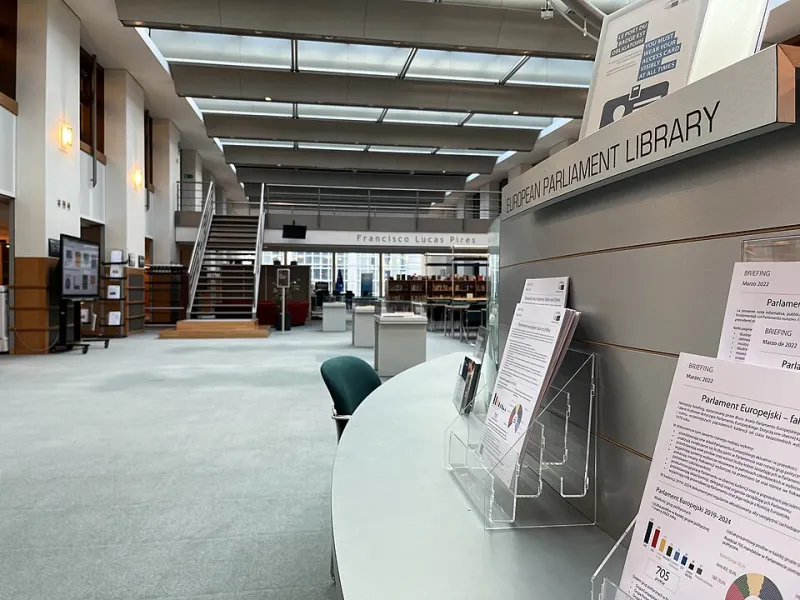
Photo: Frontifugg, CC BY-SA 4.0, via Wikimedia Commons
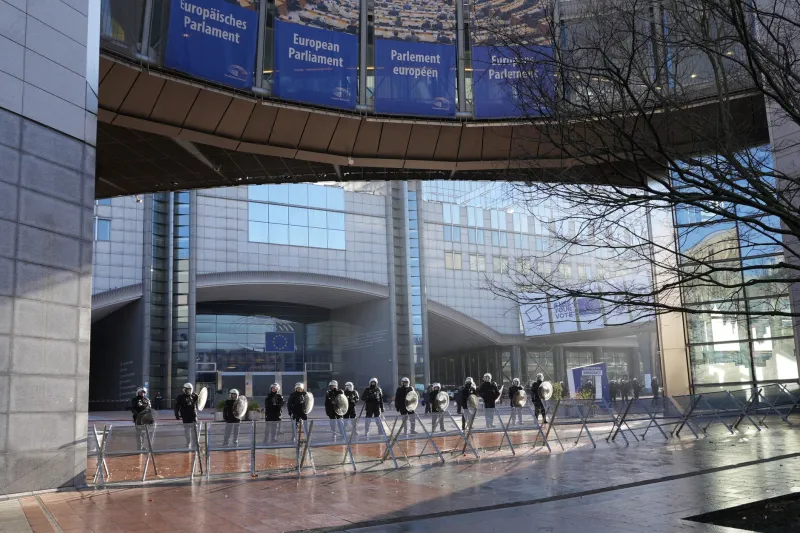
Between 2014 and 2020, UKIP's MEPs were not only legislators, committee members and protesters. They were also hosts. Through the European Parliament's visitor programme, each MEP could sponsor organised groups from their region, arrange itineraries and meet visitors in Brussels or Strasbourg. For a party whose central argument was that the European Union was remote, expensive and unaccountable, the hosted visit was an awkward instrument. It brought constituents into the buildings UKIP denounced, using public money administered by the institution the party wanted to leave.
The paper trail is uneven, but parliamentary records, former staff accounts and the recollections of participants point to a regular pattern. UKIP's European offices handled applications, coach bookings, room reservations and briefings. The visits were not the largest part of an MEP's workload, but they were among the most visible. They turned an abstract constitutional argument into a day out in Brussels.
The Rules of the Visit
Under the visitor scheme in force during the 2014–2020 Parliament, an MEP could apply to host a group, typically between 15 and 100 people. The Parliament contributed towards travel and accommodation costs, subject to rules and deadlines. The subsidy was not a party donation and did not come from the MEP's general allowance. It was public money, paid by the institution. Groups had to be properly constituted, and the programme was not intended for electoral campaigning.
For UKIP, those rules mattered. The party's MEPs were frequent critics of EU spending, and their use of an EU-funded visitor scheme invited scrutiny. The defence was straightforward: the programme was open to all MEPs, and UKIP's supporters were entitled to see how their money was spent. The offence was less straightforward. A visit hosted by a UKIP MEP could look like party activity conducted on parliamentary premises and paid for by Brussels.
What the Groups Saw
The itineraries followed a recognisable pattern. A group might arrive by coach from a UK region, pass through security and be met by a member of the MEP's staff. There would be a tour of the hemicycle, a walk through committee corridors, a stop at the Parliament's visitor centre and a meeting with the MEP. Photographs were taken. Questions were taken. Literature was distributed, often carefully separated from anything that could be called campaign material.
The MEP's message varied with the audience. For party members, the visit was a morale-building exercise. For constituents with casework, it was a chance to put a face to a name. For journalists or local dignitaries, it was an opportunity to demonstrate that UKIP's MEPs were doing a job. The setting did some of the work. The scale of the buildings, the multilingual signage and the security checks made an argument that no leaflet could match.
The Message in the Room
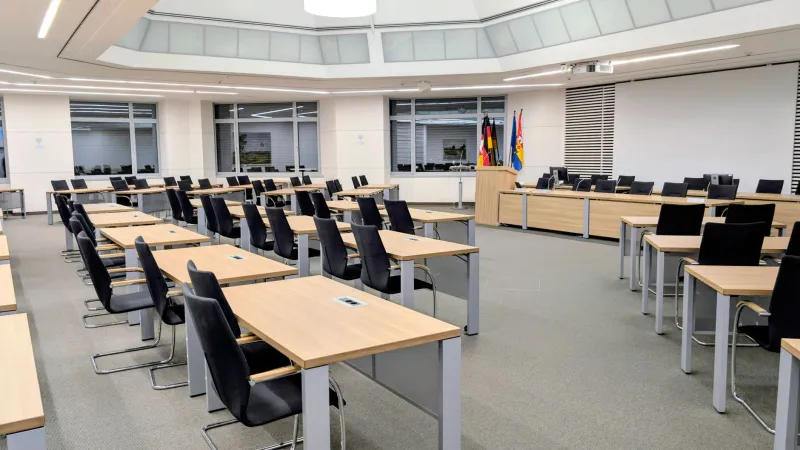
UKIP MEPs tended to use the visit to make a simple point: this is what you pay for. The hemicycle became a prop. The committee rooms became evidence. The MEP might explain the cost of translation, the movement between Brussels and Strasbourg, or the powers of the Parliament that UKIP opposed. The aim was not to persuade visitors that the institution was efficient. It was to persuade them that it was consequential, and that leaving it mattered.
There was also a quieter message. Hosting a group allowed an MEP to show usefulness. UKIP's European operation was often described as a protest camp, but the visits showed a working office with staff, schedules and constituents. The MEP could answer questions about fishing, farming, trade or travel. The visit was a reminder that the party's MEPs were embedded in the institution even as they attacked it.
A Campaign Ritual?
Was the Brussels visit a form of campaigning? Not in the strict sense. Electoral campaigning was not permitted under the visitor programme, and UKIP's offices were careful to keep party literature within the rules. But the visits were clearly part of party-building. They created volunteers, strengthened local associations and gave supporters a shared experience. The coach trip became a distinctive form of UKIP activity precisely because it was not formally a campaign.
The risk was obvious. Opponents could argue that UKIP was using EU funds to sustain its network. UKIP could reply that every MEP had the same entitlement. Both claims contained truth. The visitor programme was a parliamentary service, but it was also a political resource. UKIP's MEPs used it in the way other MEPs used it, while arguing that the whole system should be dismantled.
The Archive and the Afterlife
As of 2026, the visitor records are scattered. The Parliament holds central data on sponsored groups, but MEP office files were dispersed after the 2019 European elections and the close of the UK's European parliamentary operation. Former staff recall the logistics more clearly than the paperwork: the early coach departures, the security lists, the last-minute changes. The archive of the visits is therefore partial, like much of the UKIP MEP record.
Its value lies in what it reveals about the party's European years. The hosted visit was a minor parliamentary function, but it captured a central paradox. UKIP's MEPs were guests of the institution they opposed, and they invited their supporters to be guests too. The coach party was not the heart of UKIP's campaign. It was something more revealing: a practical arrangement that showed how the party operated inside the Brussels machine while promising to leave it.