Trawlers, Treaties and the Ballot: UKIP's Fisheries Campaign and the 2026 Settlement
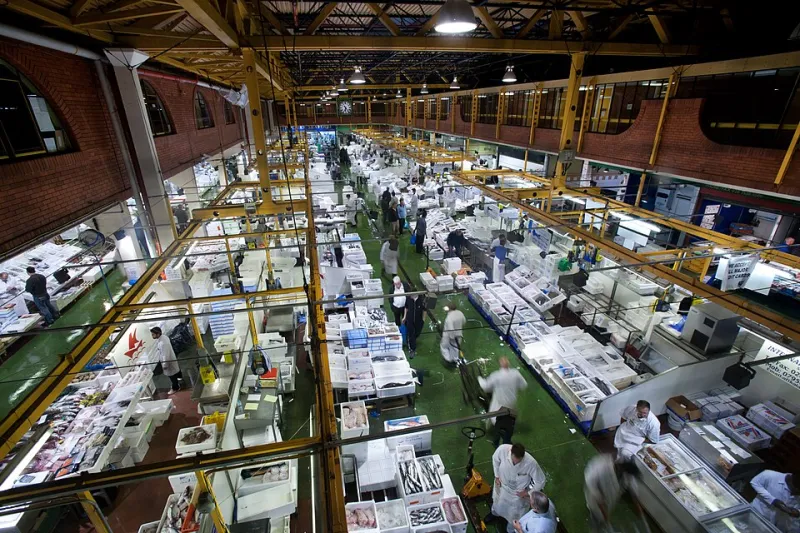
Photo: Jorge Royan, CC BY-SA 3.0, via Wikimedia Commons
Few European Union policies gave UKIP MEPs a cleaner political target than the Common Fisheries Policy. It combined distant decision-making, unpopular quota arrangements and a vivid cast of coastal communities with long memories. In the archived European Parliament debates, fisheries was never just a technical file. It was a stage on which sovereignty, science and livelihood could be performed together. In 2026, as the UK continues to negotiate quota shares, access arrangements and coastal priorities, that performance still echoes.
The CFP as Political Theatre
UKIP MEPs understood that fisheries was a subject that rewarded specificity. A speech about treaty articles could be dismissed as abstract; a speech about haddock, discards and the size of a trawler's hold could not. The archived debates show a recurring technique: take a Brussels regulation, translate it into the language of a port, and ask who benefits. The answer, for UKIP, was rarely the British fisherman.
The party's MEPs were not the only critics of the CFP. They worked alongside other eurosceptic delegations, regionalist MEPs and fishing-interest groups. These alliances were pragmatic and often fragile. On one file, UKIP might find itself close to Nordic or Dutch fishermen's representatives who wanted regionalisation; on another, it would return to a more confrontational sovereignty argument. The archive shows a campaign that was flexible in method but consistent in message.
The Rhetorical Toolkit
Three themes recur in UKIP's fisheries speeches and questions. The first was control: who sets the quota, who grants access, who decides how many days a vessel may spend at sea. The second was science: UKIP MEPs frequently argued that stock management was being politicised and that local knowledge was being ignored. The third was community: the claim that the CFP treated fishing as an abstraction while coastal towns bore the social cost.
These themes were not always compatible. A science-based argument implies deference to expert advice; a sovereignty argument implies that the UK should set its own priorities even when the advice is inconvenient. UKIP's MEPs moved between the two as the occasion demanded. The archive does not resolve the tension, but it records it.
From Brussels to the Brexit Settlement
After the 2016 referendum, the UKIP MEPs' fisheries campaign shifted from opposition to scrutiny. The argument was no longer simply that the CFP was bad; it was that Brexit must deliver something better. The Fisheries Act 2020, the annual negotiations with the European Union and the gradual development of UK quota policy became the new terrain. UKIP's MEPs had left the European Parliament by then, but their vocabulary had entered the bloodstream of the debate.
The transition period, the early years of independent coastal state status and the subsequent annual talks produced a familiar pattern: promises of a 'sea of opportunity', followed by disputes over quota shares, access for EU vessels and the treatment of stocks shared across the North Sea and the Channel. The 2026 debate is recognisably the same argument in a different institutional setting.
What Survived into 2026
Some UKIP talking points survived almost intact. The demand that access to UK waters should be controlled in the national interest is now routine across much of the political spectrum. The critique of quota concentration, the emphasis on coastal communities and the suspicion of Brussels-led management all remain legible in 2026. The language of 'quota hoppers' is less common, but the underlying concern about foreign-owned vessels benefiting from UK quotas has not disappeared.
Other arguments faded. The suggestion that leaving the CFP would immediately transform the fortunes of the British fleet has been tempered by the complexity of trade access, market prices and labour shortages. The promise of a clean break has given way to a more technical debate about stock management and negotiation leverage. In that sense, the archive is a record of both continuity and disillusion.
Billingsgate and the Wider Market
Fisheries policy is not only made at sea. The London market, including Billingsgate, remains a useful reminder that quota debates eventually become questions of supply, price and choice. UKIP's MEPs rarely dwelt on the inland market, but their arguments about access and sovereignty were always connected to the practical question of what reaches the counter. In 2026, that connection is clearer than ever: coastal communities, processors, hauliers and markets are part of the same chain.
The Archive as a Resource
For the UKIP MEPs Archive, the fisheries file is a case study in how a party can change a debate without winning every argument. UKIP's MEPs did not design the post-Brexit settlement. They did help to make the CFP a symbol of distant government, and they supplied a vocabulary that later governments had to answer. The 2026 debate is not a UKIP debate, but it is in part a debate about the questions UKIP asked. The archive allows those questions to be examined again, without the noise of the campaign.